Choosing the right agricultural tractor is an important decision for farmers, machinery importers and equipment distributors. A tractor must provide sufficient power for its intended tasks while matching the implements, field conditions and operating requirements of the buyer.
For many agricultural operations, 50–60 horsepower (HP) four-wheel-drive tractors are worth considering. However, choosing between a 50 HP tractor and a 60 HP tractor involves more than comparing engine ratings.
This guide explains how to evaluate tractor horsepower, four-wheel drive, transmission options, PTO power, hydraulic systems and implement compatibility before making a purchase.
1. Is a 50–60 HP Tractor Right for Your Farm?
A 50–60 HP agricultural tractor may be considered for a variety of farming applications, depending on the machine's configuration and the equipment being used.
Common tasks that buyers may evaluate include soil preparation, cultivation, light-to-moderate hauling, field maintenance and operating compatible PTO-driven implements.
Before selecting a tractor, consider three important questions.
What are the main farming tasks?
A tractor used primarily for light field maintenance may have different requirements from one regularly operating a rotary tiller or pulling a soil-engaging implement.
What are the working conditions?
Soil type, field size, terrain, moisture and available turning space can all influence equipment selection.
Which implements will be used?
The tractor must match the power requirements, hitch dimensions, PTO specifications and operating weight of the intended implements.
The most suitable tractor is not necessarily the one with the highest horsepower. It is the one that can perform the required work safely and efficiently.
2. 50 HP vs. 60 HP Tractor: What Is the Difference?
The main difference between a 50 HP tractor and a 60 HP tractor is the stated engine horsepower.
A 60 HP model has a higher nominal engine power rating, but this does not automatically mean that it will outperform every 50 HP model in all working conditions.
Several other factors affect actual performance.
Engine and PTO Power
Engine horsepower describes power produced by the engine, while PTO horsepower describes the power available at the power take-off shaft.
PTO horsepower is generally lower than engine horsepower because of power losses and other mechanical requirements.
When choosing a tractor for a rotary tiller, mower or another PTO-driven implement, buyers should confirm the tractor's actual PTO power rating rather than relying only on its engine horsepower.
Tractor Weight and Traction
A tractor needs sufficient traction and stability to operate the intended equipment.
A lighter tractor may struggle with demanding pulling tasks even if its engine horsepower appears sufficient. Conversely, unnecessary tractor weight can increase soil compaction and may create difficulties in soft ground.
Operating Costs
A tractor with higher horsepower may provide additional capacity, but purchase price, fuel consumption, maintenance requirements and equipment compatibility should also be considered.
Buying recommendation: Compare 50 HP and 60 HP models against the same intended workload. Request the actual engine, PTO, transmission and weight specifications before deciding.
3. Why Choose a 4WD Agricultural Tractor?
Four-wheel drive can improve traction by allowing power to be delivered through both the front and rear driving wheels.
Compared with a similar two-wheel-drive tractor, a 4WD configuration may be useful when additional traction is required.
Potential applications include field operations involving variable soil conditions, traction-demanding implements and some uneven agricultural working environments.
However, 4WD does not eliminate the risk of wheel slip, soil compaction or loss of stability.
Operating in excessively wet soil can still damage field structure. Tyre selection, ballast, axle loads and operating practices remain important.
For buyers comparing 2WD and 4WD tractors, it is worth checking the additional purchase and maintenance costs alongside the expected benefits.
4. Understanding Tractor Transmissions
The transmission affects how a tractor delivers power and how operators select appropriate travel speeds.
For example, an 8-forward / 2-reverse transmission offers eight forward gear selections and two reverse gear selections.
Having multiple available gears can help operators choose a suitable travel speed for different jobs.
However, the number of gears alone does not describe the complete operating performance of a tractor.
Buyers should also review the available speed ranges, clutch arrangement, gear-shifting system and intended working applications.
For operations involving frequent changes of direction, transmission design and operator convenience may be particularly important.
Always confirm whether the specified transmission is standard equipment or an optional configuration.
5. PTO and Hydraulic System: Important Checks Before Buying
Power take-off and hydraulic systems are essential considerations when purchasing a tractor that will operate agricultural implements.
PTO Compatibility
Before connecting a PTO-driven implement, verify its required operating speed, power input and shaft connection.
A rotary tiller, for example, must be compatible with the tractor's available PTO power and operating speed.
Do not assume compatibility simply because the tractor and implement fall within similar advertised horsepower ranges.
Three-Point Hitch Compatibility
Check the tractor's hitch category, linkage dimensions, lifting capacity and the implement's attachment requirements.
The implement must be suitable for the tractor's actual connection system and operating limits.
Hydraulic Requirements
Some agricultural implements require hydraulic outlets or a specific hydraulic flow and pressure.
Buyers should confirm the tractor's hydraulic specifications before selecting compatible equipment.
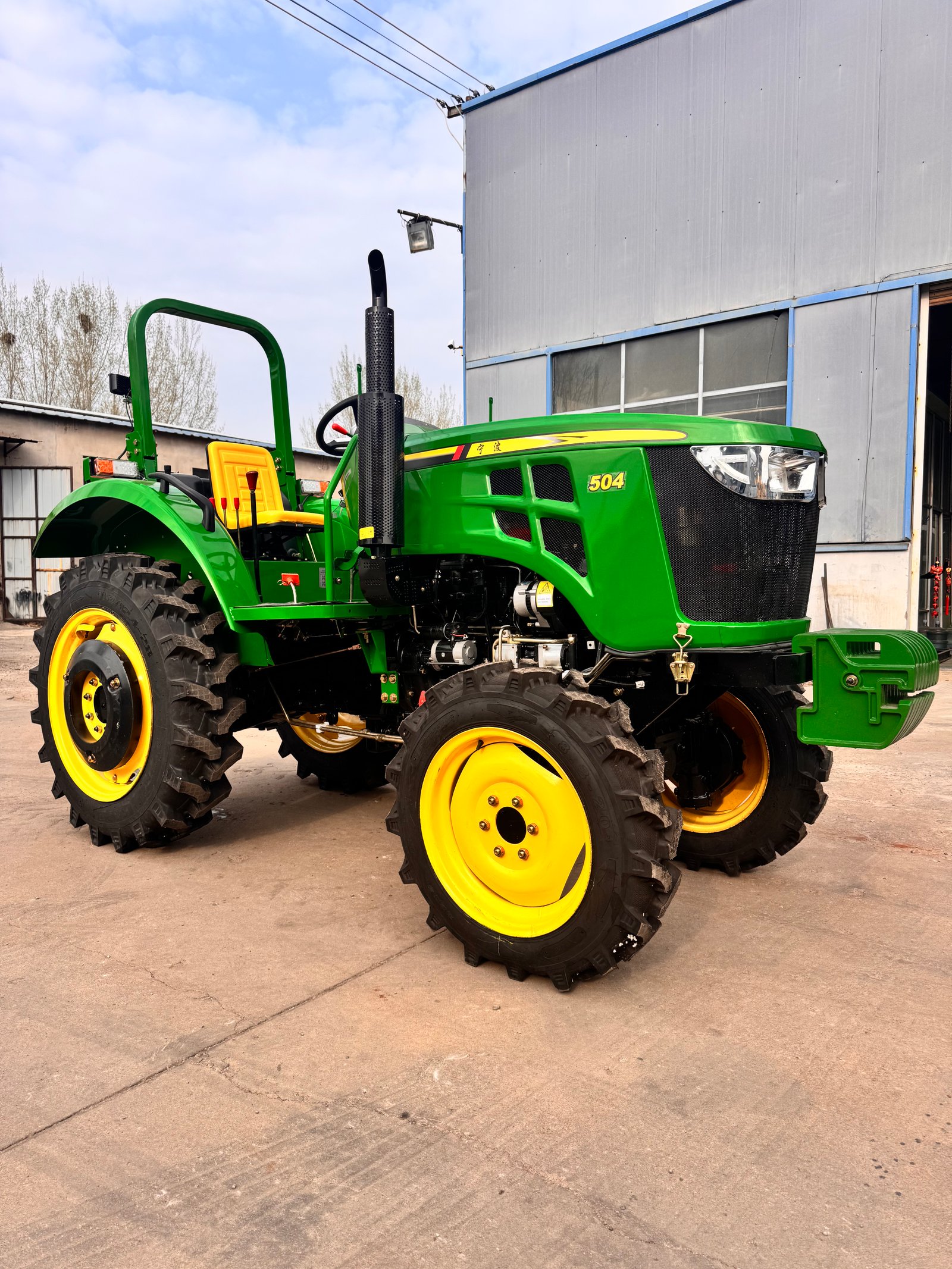
6. Example: ZHANZHENG HQ604N 60 HP 4WD Tractor
The ZHANZHENG HQ604N is one example of a 60 HP agricultural tractor configuration available for buyer evaluation.
The listed product information includes:
- Model: HQ604N
- Rated engine power: 60 HP
- Drive configuration: 4WD (4×4)
- Chassis: NB series
- Listed transmission: 8 forward and 2 reverse gears
These details provide a starting point for comparing the tractor with other agricultural equipment.
Before placing an order, buyers should confirm the final engine model, PTO output, hitch and hydraulic specifications, tyre configuration and applicable optional equipment.
The correct implement combination should be verified using the selected tractor's technical specifications and the intended implement's requirements.
Explore the product: HQ604N 60HP 4WD Agricultural Tractor
You can also browse ZHANZHENG Agricultural Tractors to compare available product options.
7. What Should Agricultural Machinery Importers Confirm Before Ordering?
For international importers, dealers and wholesale buyers, comparing product specifications is only one part of the purchasing process.
Before requesting a final quotation, prepare the following information:
- Application: Main farming tasks, field conditions and expected operating requirements.
- Technical requirements: Desired horsepower, drive configuration, PTO specifications, transmission and implement compatibility.
- Order requirements: Quantity, destination country, requested configurations and any spare-parts needs.
- Shipping information: Packing method, estimated package dimensions, shipping weight, delivery terms and required documentation.
- Local requirements: Applicable equipment, safety, emissions, conformity and import regulations in the destination market.
Import and compliance requirements vary by country. Buyers should verify applicable local requirements before confirming an order.
A detailed purchase inquiry helps both parties identify the correct machine configuration and reduces the risk of ordering incompatible equipment.
8. Frequently Asked Questions
Is a 60 HP tractor always better than a 50 HP tractor?
No. A 60 HP tractor has a higher nominal engine power rating, but the better choice depends on the workload, implement requirements, traction, operating weight and total cost. Compare complete specifications rather than horsepower alone.
What is the difference between engine horsepower and PTO horsepower?
Engine horsepower describes the engine's power rating. PTO horsepower refers to the power available to drive compatible PTO-operated equipment. PTO power is generally lower than engine power and should be checked when selecting implements.
Is 4WD necessary for agricultural work?
Not always. Four-wheel drive can provide additional traction in some conditions, but the benefits depend on the task, terrain and soil. A suitable 2WD tractor may be adequate for certain lighter operations.
Can a 60 HP tractor operate a rotary tiller?
Potentially, but compatibility depends on the rotary tiller's actual power requirements, PTO specifications, working width, hitch connection and soil conditions. The specific tractor and tiller combination must be checked before use.
What information should I provide when requesting a tractor quotation?
Provide the desired tractor power, application, intended implements, required configuration, quantity and destination country. This information helps the supplier review compatibility and prepare a more relevant quotation.
9. Final Thoughts: Choose the Tractor That Fits the Work
Selecting a 50–60 HP 4WD tractor requires a balanced evaluation of horsepower, drivetrain, PTO power, transmission, hydraulic requirements and implement compatibility.
For agricultural importers and distributors, accurate technical information is also essential for comparing products and preparing equipment offers for local customers.
Rather than choosing a tractor based on horsepower alone, define the intended tasks and confirm the specifications of the complete tractor-and-implement combination.
Looking for agricultural tractors for your market?
Explore the ZHANZHENG tractor range or contact ZHANZHENG with your equipment requirements to discuss available configurations and request a quotation.
Further Reading
For additional guidance on tractor selection and machinery compatibility: